Weather in Rome

Weather Icon

Italy Rome Tour Blog

Travel tips, Food, Lifestyle, Street Art, Events and Exhibitions in Rome and all around Italy.

Typical Roman Dishes, The Pajata

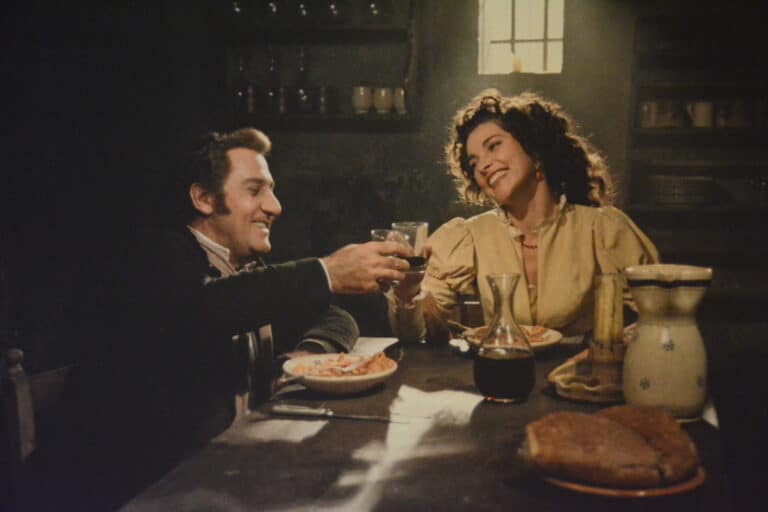
A tasty Roman tradition between budella, milk and tomato pasta mentioned also in the film with the great Roman actor Alberto Sordi Typical dishes of Roman cuisine and cinema. The “Pajata” in “The Marquis del Grillo” by Monicelli with Alberto Sordi. Pajata is a particular and typical dish of Roman cuisine. It is part of the “frattaglie” family, in fact it concerns the soft intestine of the milk calfskin which is normally called duodenum and which contains chimney, the curled maternal milk that resembles ricotta that the calf has nourished. A classic recipe with Pajata served accompanied by Rigatoni with sautéed sauce by scaming the onion, carrot and celery, a clove of garlic. Italy Rome Tour Is Affiliated with Vatican Rome Tours The intestine is either left open to further season the sauce or sewn to the nodine. In a scene of the film “The Marquis del Grillo” by Mario Monicelli, Alberto Sordi label as “excrements” the dish, as a gut with in fact content content food in digestion. However, the definition is not exactly correct, as the duodenum is

Read More

In Rome there is a “particular” restaurant

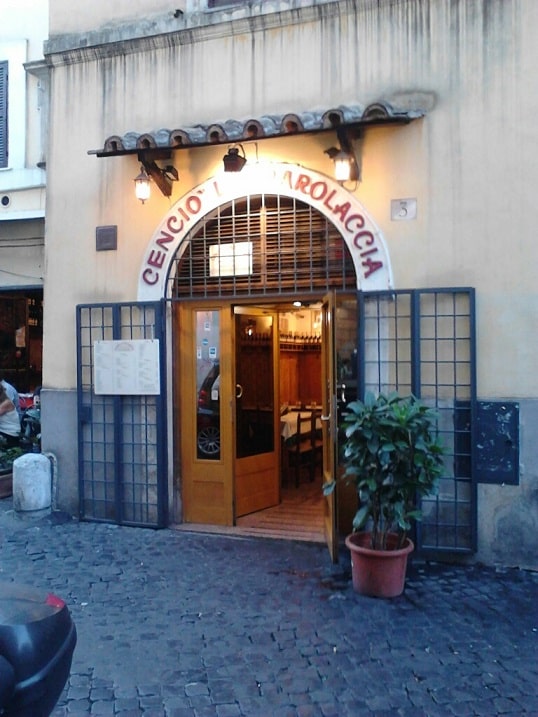
The place is famous for the insults, swearing and profanity (hence the name) addressed to customers by the service staff and the entertainer. The waiters, with each dish, make compliments and jokes aimed at the customers; the musical animation with guitar and accordion consists of Roman vernacular stornelli, adapted and weighted according to the audience present at the tables. It sounds like a joke and instead it’s a spectacular commercial gimmick. It’s not easy to eat in this place because you are laughing all the time. Traditional Roman cuisine, entertainment and guaranteed entertainment. Stay away from the touchy: a small, warm place, to be booked in advance otherwise it will be difficult to find a place. Must try at least once in your life. The restaurant “Cencio, La Parolaccia” is located in Rome, in Vicolo del Cinque, Trastevere area: since 1941 it has distinguished itself from all the other Roman taverns, for its particular folk entertainment. “Vulgar” entertainment has become their forte. The restaurant, initially called Osteria da Cencio, was opened in 1941 by the spouses Vincenzo “Cencio” and Renata

Read More
spaghetti-cacio-e-pepe

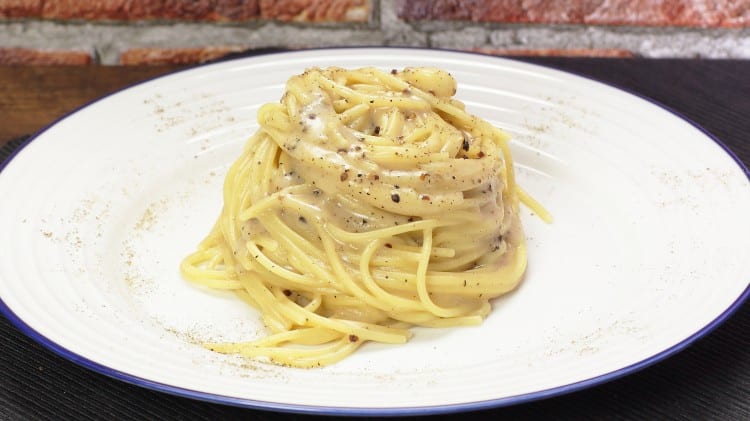
Spaghetti cacio e pepe, a typical dish of the most authentic Roman tradition

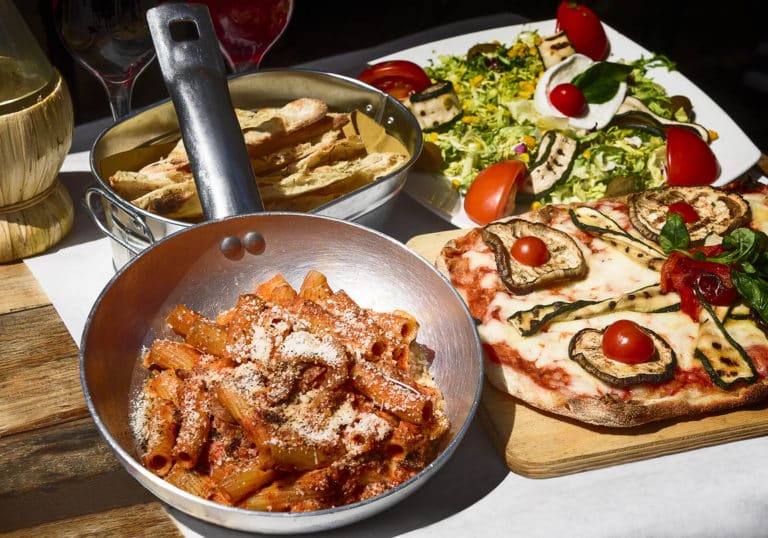
Spaghetti with cacio e pepe are one of the strongest dishes of the most authentic Roman tradition: grated pecorino and peppercorns, a recipe very simple but very tasty. This type of pasta became the ideal, quick and substantial meal that quickly spread not only throughout Lazio, but also in neighboring regions (especially Umbria and Abruzzo). Soon the Roman taverns began to offer cheese and pepper making it a real highlight. To prepare this dish we follow the advice of Giallo Zafferano: first take care of grating 200 g of pecorino. Continue by boiling the water in a pan (put about half of what you usually use to cook the pasta, so it will be richer in starch) and when it boils you can add salt to taste. Once salted, you can cook the spaghetti. Meanwhile, pour the whole peppercorns onto a cutting board, then mash them by pounding them with a meat pestle or grinder. In this way, the pungent scent of pepper will be released. Pour half a dose of crushed pepper into a large non-stick pan, toast it

Read More
roman saltimbocca

7 things Romans hate when eating

Different places you visit, different customs you’ll find. Wherever we go, we’re Italians. The way we talk, the way we think, the way we eat. Is not a mystery that Italians put devotion into cooking and eating, every meal is an important and holy moment, like a ritual carried on since ages and to be preserved and transmitted to future generations. But you know, Italy is a varied country, with different customs, styles and traditions, even at the table. We want to talk about the habits of Romans at the table and 10 things they hate when eating. 1. – Melius abundare quam deficere Better too much than too little. Our Latin ancestors already used to say it, even more so modern Romans keep saying it. The “gourmet” little portion is a fashion blogger thing, Romans want a full and satisfying plate. It’s a little bit annoying when the waiters serve that micro portions, we are hungry! So, or you increase the dosage or you have to buy smaller plates. 2. – Eat with your hands Cutlery are just frills

Read More
banco

Top 5 Creative Snack Breaks In Rome

Dar Filettaro a Santa Barbara (Largo dei Librari, 88) What do you know about fried baccalà fillet? If you have never eaten at “Dar Filettaro”, maybe not that much. In the heart of the genuine Rome, Campo de’ Fiori, you will experience the real Roman food to savor in the sincere but spartan venue or to eat on the move. 3 kinds of frying, the best fried cod fish fillet of Rome, but also other specialties like fried zucchini or bread with butter and anchovies. Definitely a must eat if you are interested in traditional and peculiar Rome’s food style. LasaGnam (Via Nazionale, 184 / Via Frangipane 15) It’s not a dream, it’s real. A “lasagneria”, a place entirely dedicated to lasagna lovers! The first “lasagneria” in Rome and in the world, that offers an Italian oriented fast food that mixes tradition with innovation, with different kind of home-made and fresh lasagna prepared with typical product of Rome’s culinary tradition: zucchini blossoms, beef ragù, porcini mushrooms and speck. Try Italy Rome Tour’s choice, the one with cheek lard and eggs

Read More
private cooking class in rome

Italian dishes with exotic origins Vol.1

Italy can count plenty of dishes that have exotic origins Our peninsula has a very rich history and culture. It derives from the variety of its invaders and the different populations that lived here during centuries.Latins, Arabic, Austrians, Spanish are only some example of the people who settled in our country. It influenced a lot the country’s nature in general, but above all our gastronomic tradition. We can count plenty of dishes that have exotic origins. Italian dishes with exotic origins in the Veneto Region Located in the north-eastern part of Italy, at its northernmost corner it borders also on Austria. The cooking of this area for this reason is similar to Tirolese one and reflects also in gastronomy the connections with Western Austria. Many typical dishes in facy have even today the original German names.Canaderli: bread crumbs balls filled with speck, spinaches, lard or cheese and served in hot soup or with molten butter. As regards as desserts we are spoiled for choice. Apple Pie (Apfelstrudel in german): a traditional Viennese strudel pastry jacket with an apple filling inside;

Read More
suppli

Street food in Rome: What to eat in the street

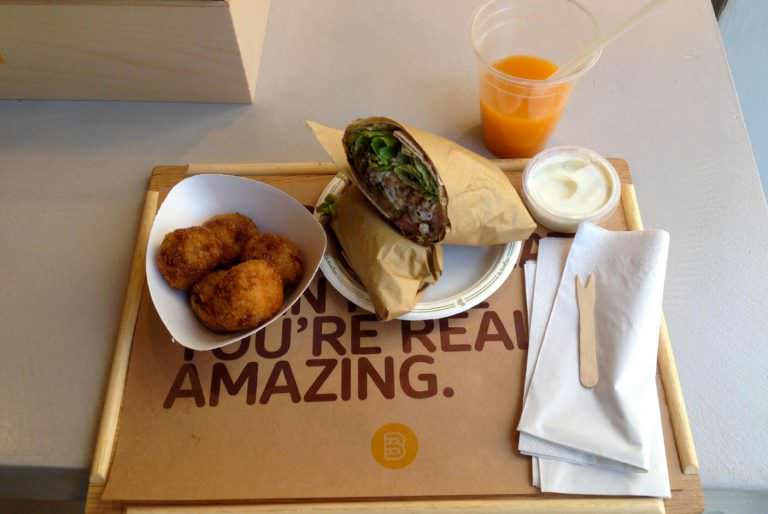
Street food is always more a social phenomenon than a mere act of consuming food. Maybe if one thinks of Rome, Street Food isn’t usually one of the first thing to come to mind. The Eternal city has a great culinary tradition that is consecrated in the typical trattorias and restaurants, but this new rite, a new genre of eating has made serious inroads during the last two years, allowing the capital to gain a deserved place on Italy Street Food map. Alongside Sicily, Tuscany, Emilia-Romagna, also in Rome arose this flourishing tendency. Ideal for tourists, workers in a hurry, but also for young people who want to share food with their friends outdoor, Rome Street Food has developed its own specialities and delicacies to eat around the city. This new Street Food activities are characterized by the gastronomic offer at moderate prices, and for the rapid and informal way in which you can eat, on the road. In addition we can notice a great quality research about gourmet products. We are dealing with genuine and creative food inventions freshly

Read More
Trastevere Food Tour

The Taste of the Roman Food

Food for italian people is something holy. We Italians definitely love to eat well, indeed the whole world envies our dishes. One recommendation, Italians don’t have the habit to eat frugal meals standing or walking by the street, even if someone does it of course, at the table the watchword is: calm. This is a moment to share with family, friends, appreciating the courses and congratulating with the chef! Roman cousine is simple and uses few ingredients, but the result is great. If you are going to visit Rome you should eat as a proper roman does. Forget about sandwiches bought at the supermarket and indulge yourselves in trying a piece of italian cousine. You can do it each day of your holyday, because Rome can be expensive, but if you choose in a smart way it can be cheap as well. For instance avoid to sit in a restaurant located in one of the main squares. Our advice is to take a look at the menu before you choose the restaurant. Even in the inner city infact you can

Read More
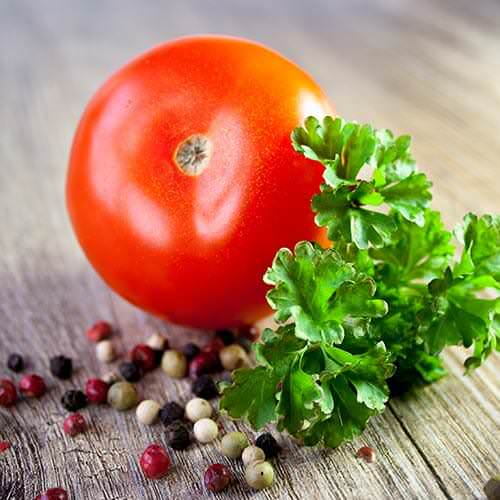
rome tomato

Round and juicy: where to discover the taste of red tomato in Rome

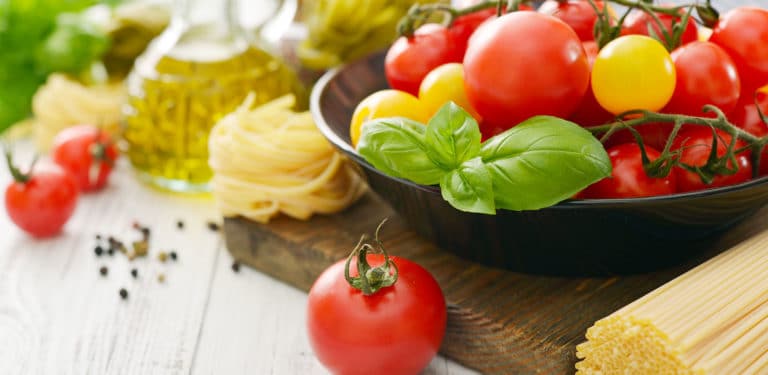
The introduction of the tomato, the symbol of Italian cuisine in our recipes is relatively recent, dating back to the nineteenth century. This plant of the family Solanaceae, a gift from the New World, was brought to Europe in the first half of the 500 at the time of the conquest of Mexico by Cortés. And ‘likely that the first “tomatl” have arrived from Chile and Peru, along the streets of the Maya in Central America. The Spanish I quickly realized the value and gourmet tomato, led to the Bourbon court by soldiers and many missionaries, found application in recipes that still survive today. In France, the plant was treated as a cultivated ornamental elegant curiosity even in the gardens of the Sun King

Read More

Gelato 1000 flavors, from classic to savory versions here pepper and gorgonzola

An ever-changing world of the ice cream. To the extent that we can identify trends and creative strands of respect. The technological evolution has machinery science fiction, but today the added value of the ice cream is its craftsmanship, processing according to ancient procedures to enhance every flavor. The research on raw materials has become exasperated, from milk and eggs, to continue with the various crus of chocolate, seasonal fruit, pistachios and hazelnuts doc. Another strand concerns the combination of ice cream and dietetics, with products at low rate of sugar or fat, or for coeliacs. Wine, spirits, teas and infusions are another chapter explored carefully, with the result that quality rum, Raisin, high tea selection come as a main ingredient or as a flavoring in a main flavor.

Read More