Weather in Rome

Weather Icon

Italy Rome Tour Blog

Travel tips, Food, Lifestyle, Street Art, Events and Exhibitions in Rome and all around Italy.

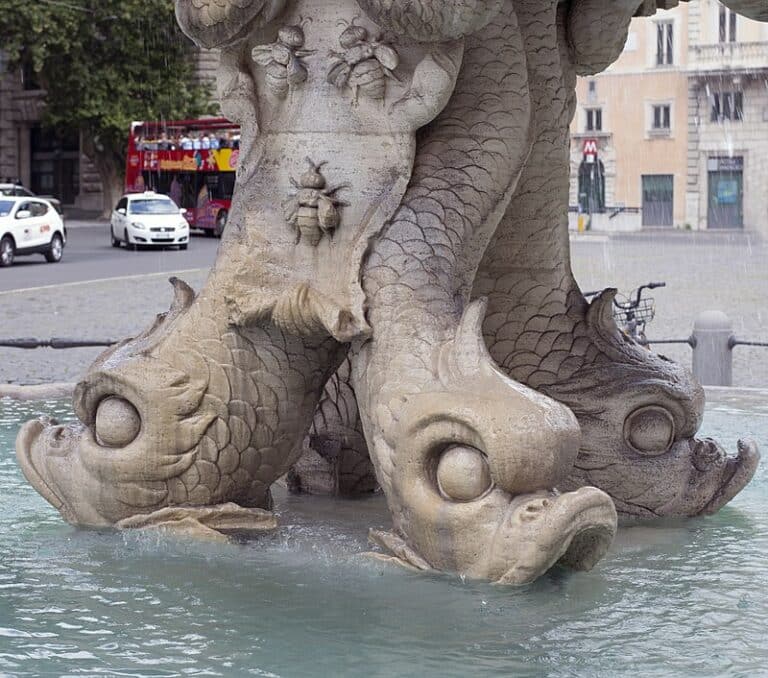
Sculptures_of_dolphins_in_Fountain_of_Triton_Rome

Bees appear in the Triton Fountain. What do they represent?

The wonderful Triton fountain is another of the many Roman masterpieces by Gian Lorenzo Bernini. It was built between the end of 1642 and the first half of 1643. As in the Fountain of the Bees, several curious stylized insects also appear here. Find out why. The fountain is in fact located in the current Piazza Barberini and is fed by a branch of the Felice aqueduct, which passed in the immediate vicinity. It best expresses the new Baroque architectural and artistic conception of space. In fact, the sculptural part completely includes the same architectural structure. The four dolphins with intertwined tails, between which are placed the papal coats of arms with bees, the heraldic symbol of the Barberini family, support an enormous shell, from which the Triton rises imposing and majestic. The symbols carved in the Triton fountain recall the dynastic celebration of the Barberini, the family to which Pope Urban VIII belonged. Bees are the heraldic symbol of the family, and symbolize the triumph of Divine Providence. Dolphins, benevolent animals par excellence, represent the works of charity carried

Read More
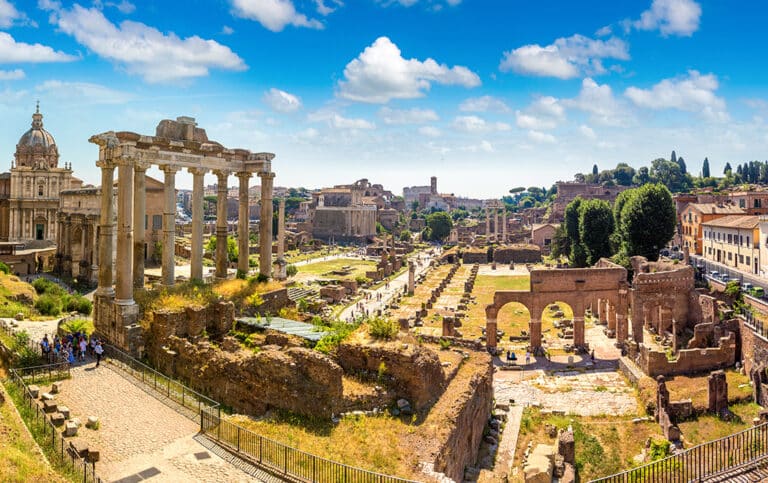
roman forum

Rome has a secret name, which very few know

Did you know? Rome also has a secret name, which very few know. Rome has also had another secret name since ancient times and it has always been a sacrilege to pronounce it. What was this name and what happened to Ovid who tried to reveal it? Many anecdotes are linked to the names of Rome. According to a widespread tradition in antiquity, a city had three names: a sacred one, a public one and a secret one. The public name of Rome was joined by the religious name of Flora or Florens, used on the occasion of certain sacred ceremonies, the secret one has remained unknown. The reason and the need for this secrecy goes back to another tradition widespread among the ancients (but also in some non-Western contemporary cultures) and which is also found in the history of the origin of writing: the name of an object or entity it expressed the essence and energy of the object or entity it defined. Naming something was equivalent to making it alive and existing and knowing the name meant, in

Read More
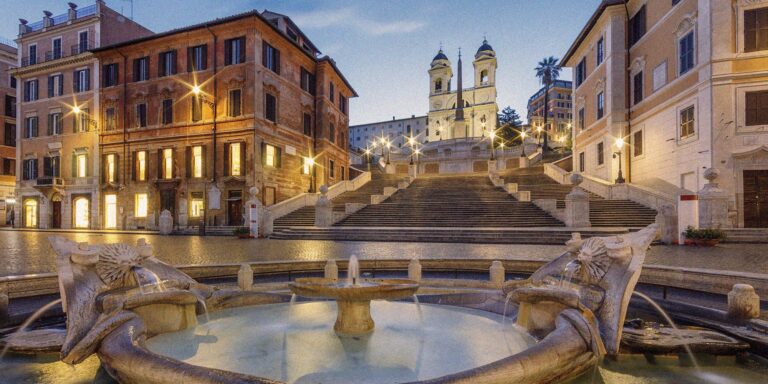
spanish-steps-by-night

The Spanish Steps in Rome

The magnificent stairway of Trinità dei Monti, an eighteenth-century masterpiece, was built between 1723 and 1726 by the architect Francesco De Sanctis. The structure served as a link between the slopes of the Pincio dominated by the church of the Santissima Trinità and the underlying Piazza di Spagna. The stairway, in travertine, is made up of a series of ramps, 11, each made up of 12 steps, which divide and reunite, constantly changing direction. From any position it is possible to enjoy a magnificent panorama of the square De Sanctis managed to get the better of the project presented by Alessandro Specchi after long and heated discussions on how the steep slope on the Pincio side should be connected to the church. The staircase was made famous by cinematography but above all by the love of tourists who, before the Coronavirus emergency, used to crowd it (and not only them) at any time of day. A series of balustrades accompanies the ramps: they interrupt the difference in height and serve as a resting point and to admire the landscape. The

Read More
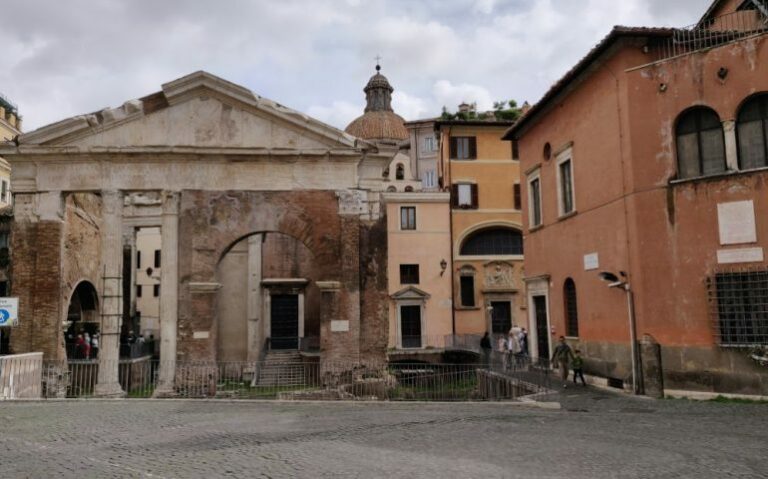
rome-district-jewish

The Jewish quarter of Rome is one of the oldest in the world

The ghetto of Rome, also known as the Jewish quarter, is one of the oldest in the world and was born about 40 years after that of Venice, which historically was the first. It is located in the picturesque Sant’Angelo district, where the Tiber Island also stands. The word derives from the name of the Venetian district, gheto, where there was a foundry (precisely gheto in Venetian), where the Jews of that city were forced to reside. Another possible etymology traces the origin of this word back to the Hebrew ghet, which means separation. The area that the Romans today refer to as the “ghetto” is bordered by Via Arenula, Via dei Falegnami, Via de’ Funari, Via della Tribuna di Campitelli, Via del Portico d’Ottavia and Lungotevere de’ Cenci. The historic ghetto was, on the other hand, much smaller and more or less located between the current via del Portico d’Ottavia, piazza delle Cinque Scole and the Tiber. On July 12, 1555, Pope Paul IV revoked all the rights granted to Roman Jews and ordered the establishment of the ghetto,

Read More

In Rome there is a “particular” restaurant

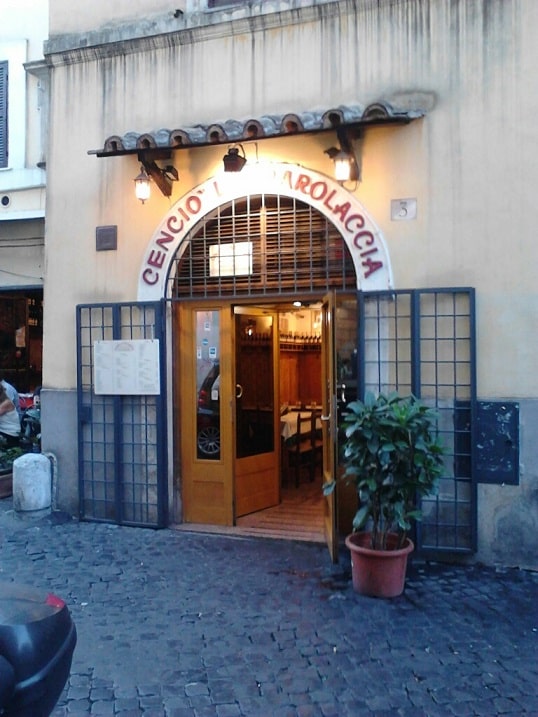
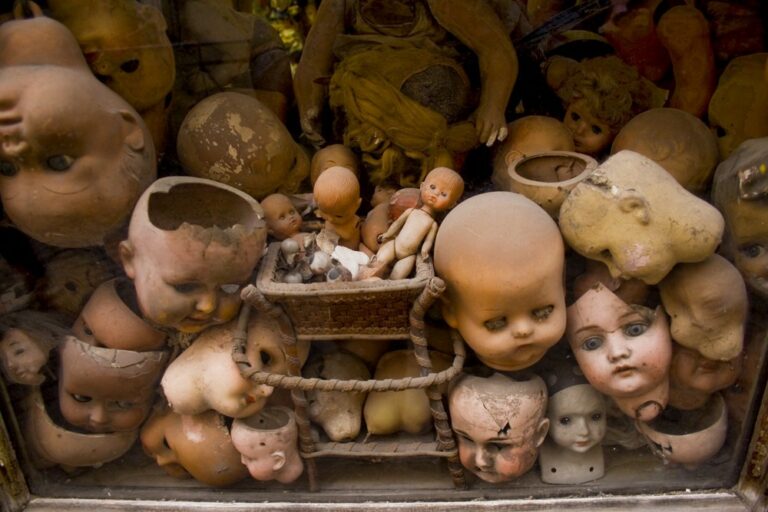
The place is famous for the insults, swearing and profanity (hence the name) addressed to customers by the service staff and the entertainer. The waiters, with each dish, make compliments and jokes aimed at the customers; the musical animation with guitar and accordion consists of Roman vernacular stornelli, adapted and weighted according to the audience present at the tables. It sounds like a joke and instead it’s a spectacular commercial gimmick. It’s not easy to eat in this place because you are laughing all the time. Traditional Roman cuisine, entertainment and guaranteed entertainment. Stay away from the touchy: a small, warm place, to be booked in advance otherwise it will be difficult to find a place. Must try at least once in your life. The restaurant “Cencio, La Parolaccia” is located in Rome, in Vicolo del Cinque, Trastevere area: since 1941 it has distinguished itself from all the other Roman taverns, for its particular folk entertainment. “Vulgar” entertainment has become their forte. The restaurant, initially called Osteria da Cencio, was opened in 1941 by the spouses Vincenzo “Cencio” and Renata

Read More

Day trip from Rome to Bomarzo Park?

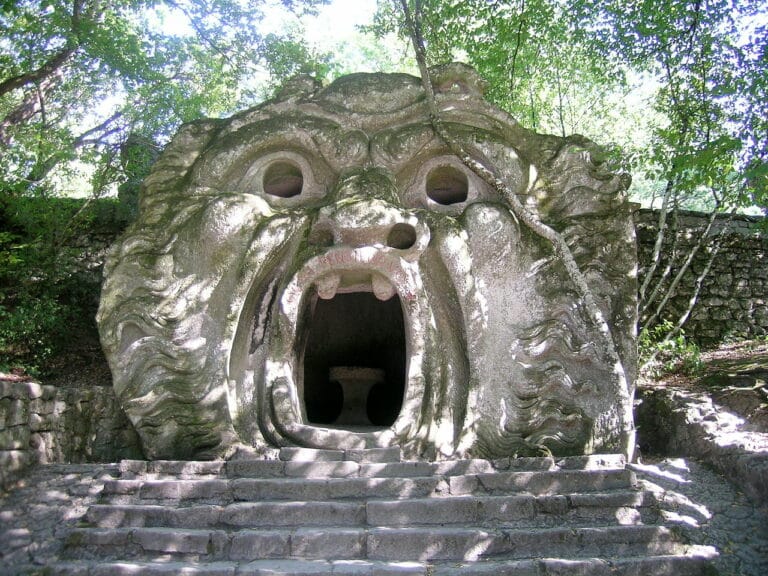
One of the most loved destinations by the Romans for trips out of town is the park of the Monsters of Bomarzo, in the province of Viterbo. A fabulous place, very special. But why were all these sculptures designed that made even Salvador Dali wonder? Did you know? What do the monsters of Bomarzo Park represent? The Monster Park, also called Sacro Bosco or Villa delle Meraviglie of Bomarzo, in the province of Viterbo, is an Italian monumental complex. It is a natural park adorned with numerous basalt sculptures dating back to the 16th century and portraying mythological animals, deities and monsters. The architect and antiquarian Pirro Ligorio commissioned by Prince Pier Francesco Orsini (known as Vicino Orsini) designed and supervised the construction, in 1547, of the park, elevating the grotesque genre into a system in the mythological figures represented therein. Some scholars, erroneously, traced the “direction” to Michelangelo Buonarroti (E. Guidoni), while others, in particular for the Temple, cited the name of Jacopo Barozzi da Vignola. The realization of the sculptural works was probably entrusted to Simone Moschino. Orsini

Read More
gladiators-rome-colosseum

Gladiator fights were abolished in 404 AD

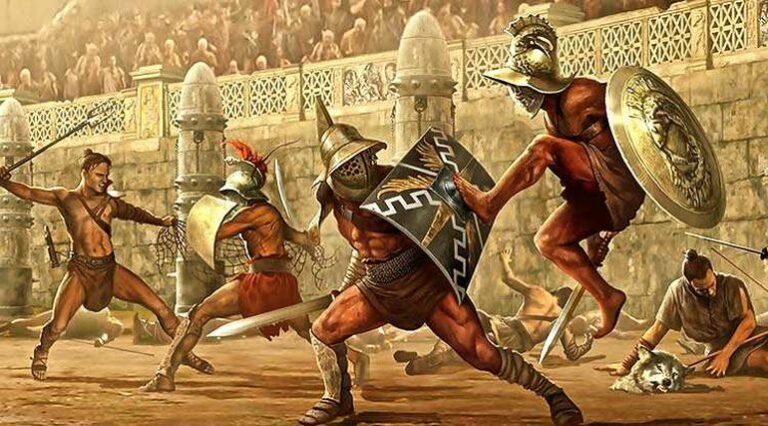
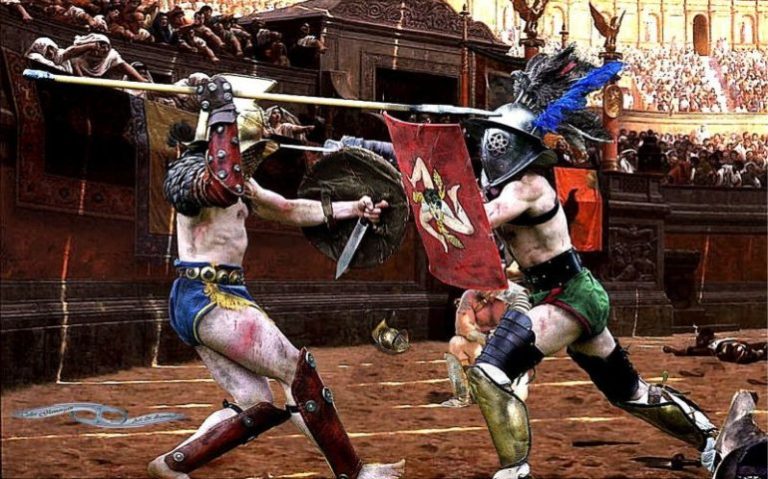
The gladiatorial activity was abolished in 404 by Honorius I. Already the emperor Constantine did everything possible to put an end to the barbarism of the Colosseum, however it was only in 404 that the shows ended completely. The battles were abolished following an accident in which the Greek monk Almacchio (or Telemachus) was killed, who went down to the Arena to protest against these abominable tortures. But who were the gladiators really? What really happened in the Colosseum in Rome and in the other amphitheaters of the Roman Empire and why did these shows get abolished after so many deaths? Did you know? Gladiator fights were abolished in 404 AD. after the killing of a monk. Theodoret narrates (History Eccl., V, 26) that a certain monk Telemachus would have come from the East to Rome to put an end to the cruelty of gladiator fights. One day during a show he went down in the middle of the arena among the fighters, trying to stop the massacre, but the indignant spectators stoned him. The emperor Honorius, informed of this,

Read More
quirinale-rome

Roman monuments: the Quirinale, one of the largest presidential palaces in the world

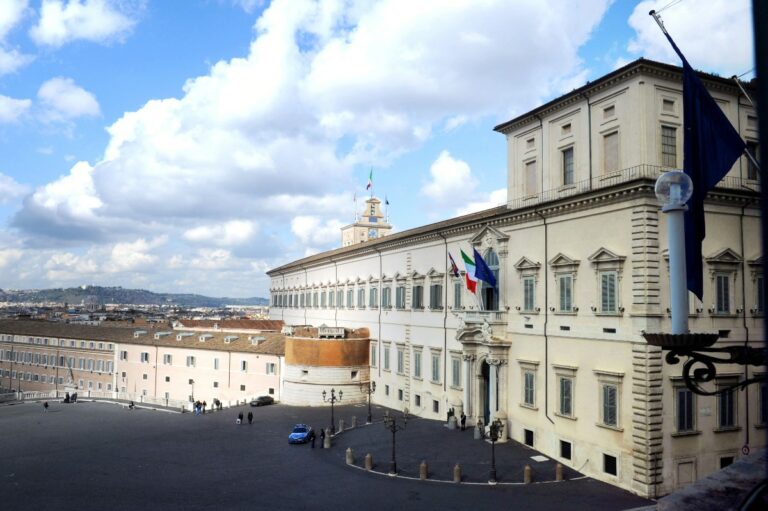
Imposing, magical, in the heart of Rome, with 1,200 rooms and nearly a thousand employees, the Quirinale is one of the symbols of Italy and of the capital. It sits on the highest of the city’s seven hills, and is the official residence of our President of the Republic. Covering an area of 110,500 square meters, it is the seventh largest building in the world and is 20 times the size of the White House. Since 1583, when it was built, it has hosted 30 popes and 4 kings. And 12 presidents, including Sergio Mattarella). Imposing, magical, in the heart of Rome, it has 1,200 rooms and almost a thousand employees who not only follow the activity of the Head of State but also manage the priceless heritage made up of highly valuable tapestries, as many as 261 pieces, furniture and paintings, sculptures and historic carriages, astronomical clocks, extremely valuable books, gardens, greenhouses, chandeliers and the second largest carpet in the world. Until 2014, the residence of the President of the Italian Republic in Rome was the largest presidential palace

Read More
christmas-world-2022-roma

Christmas World opens in Rome: all the magic of Christmas around the world at Villa Borghese

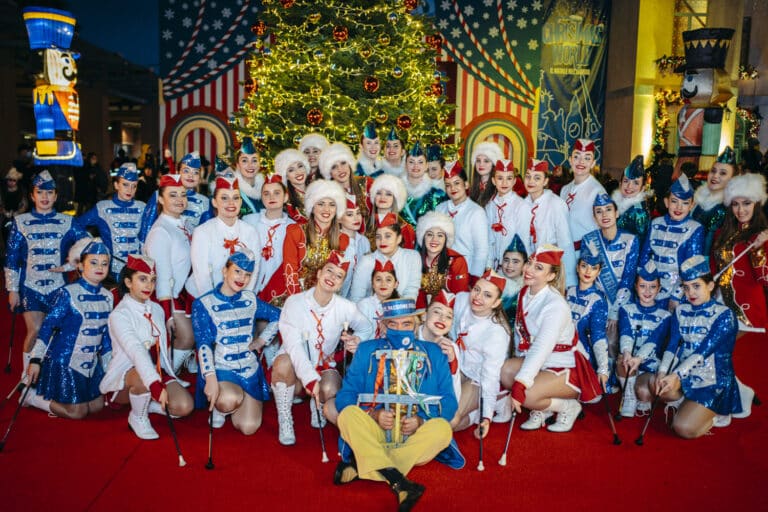
After the great success of 2021 at the Auditorium Parco della Musica, Lux Eventi has announced that Christmas World, starting this year, will be organized in the most prestigious historical park in Rome, Villa Borghese. The Rockefeller Center ice rink, the illuminated Eiffel Tower, the snow-capped Bavarian houses, the lights on the Thames and Santa Claus’ village at the North Pole: the splendid park of Villa Borghese, the green jewel of monumental Rome, turns into a journey Christmas around the globe between New York, Paris, Berlin, Tokyo, Rome, London and the North Pole. BOOK YOUR ROME IN ONE DAY TOUR From December 3rd to January 8th in the Galoppatoio area, Christmas World will transport adults and children on a journey to discover the Christmas traditions spread all over the planet: an immersive experience in the most important and eagerly awaited celebration of the year through activities, concerts, entertainment and a Christmas parade that will take place every day in the tree-lined avenues of the most beautiful park in the capital. New York will be represented by the reproduction of the

Read More

Rome had eight ports on the Tiber. Where were they?

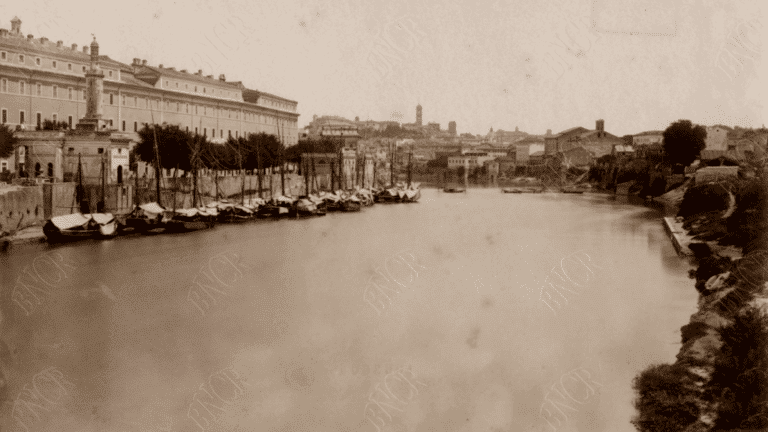
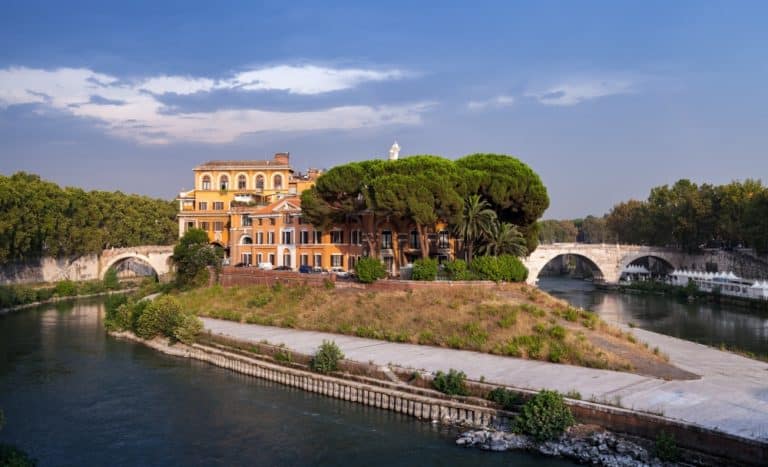
Until the early decades of the twentieth century Rome could count on real ports, with port structures, barriers, walls and traffic that also made it possible to better regulate the regimes of flooding or not of the Biondo river. Where were these marinas, now left in old photos or ancient paintings? As reported in a nice article by Gian Carlo Pavia, there were eight Roman ports, plus three outside citizens. Let’s list them in order of size and historical-commercial importance: Ripa grande a Testaccio, di Ripetta, Tiberino, Fluviale (Emporium), Leonino, Arsenale Pontificio (Porta Portese), Moderno dell’Arsenale, Scalo De Pinedo. The main port of Rome: Ripa Grande in TestaccioStarting from the 2nd century BC. the Testaccio area at the foot of the Aventine was chosen for the construction of a new river port on the Tiber. The port of Ripa Grande was the river port of Rome where the goods that went up and were handleddescended the Tiber towards the Fiumicino landing. The construction of the walls canceled its existence and functions, keeping traces only in the toponymy. The port of

Read More